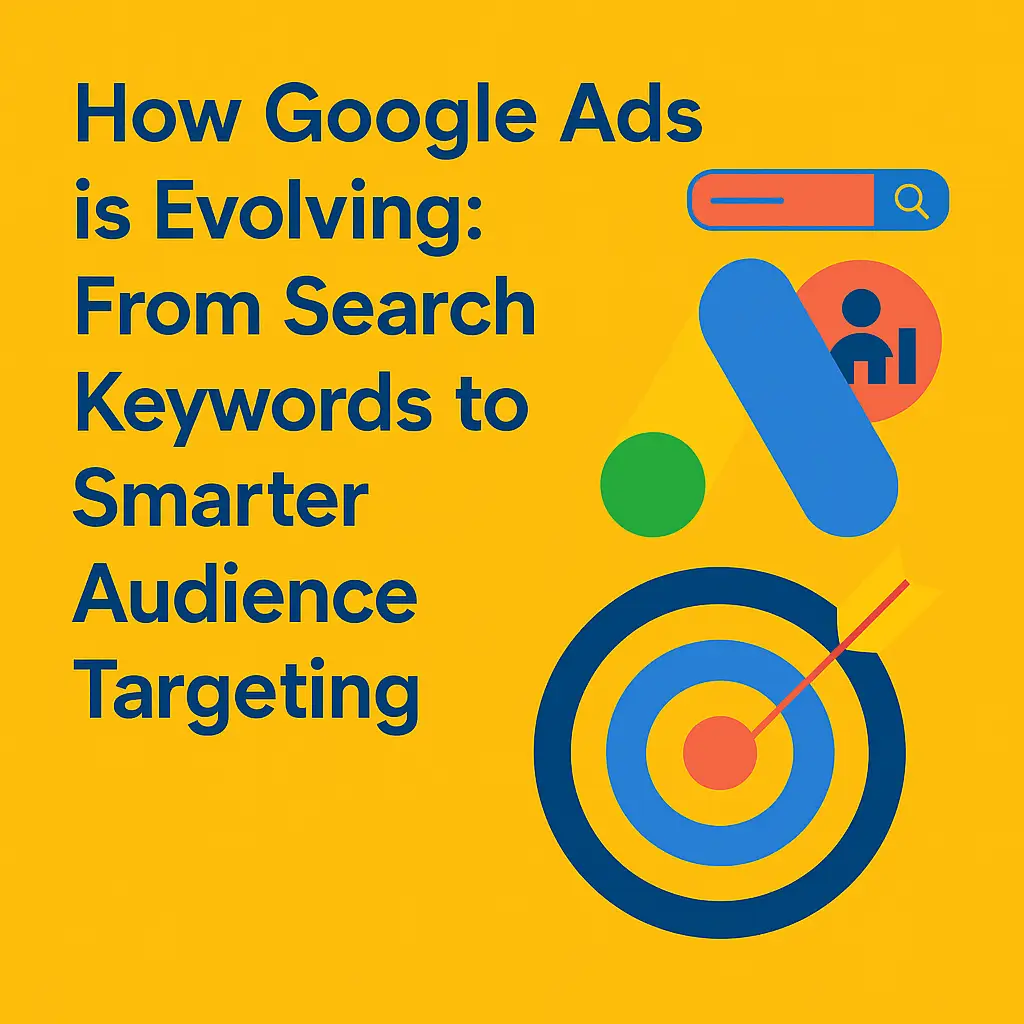
How Google Ads is Evolving From Search Keywords to Smarter Audience Targeting
The way people shop and engage online has changed. Today’s consumers don’t just buy on birthdays or special events—they make purchase decisions anytime, anywhere. This shift in behaviour has led Google Ads to evolve from being keyword-focused to audience and intent-driven advertising.
At Magnify Minds Media, we help businesses stay ahead of these changes by building smart, data-backed ad strategies. Here’s what you need to know about how Google Ads is changing—and how to make it work for your brand.
From Keyword-Heavy to Intent-Driven Ads
In the past, Google Ads was all about keywords. But today, that’s no longer enough. Modern users are influenced by YouTube videos, blog articles, Instagram reels, and more—before they ever type a query into Google.
To keep up, Google now emphasizes intent-based targeting, meaning it looks at user signals like behaviour, demographics, and interests, not just search terms.
🔗 Learn more about Google’s approach to intent-based marketing
Phrase Match Keywords Now Behave Like Broad Match
You might have noticed that phrase match keywords are acting more like broad match—they trigger ads for a wider range of search queries. But don’t worry—this is actually a benefit. With stronger AI and machine learning, Google now delivers more qualified leads, even with broader match types.
Instead of limiting your reach with tight match types, let Google’s AI do the heavy lifting.
Need help setting up intent-based keyword campaigns? Contact our PPC experts at Magnify Minds Media.
Make the Shift to Audience-Based Campaigns
Today’s high-performing campaigns are audience-focused, not keyword-dependent. Two major options from Google include:
🔹 Performance Max Campaigns
These campaigns run across all Google properties—Search, Display, YouTube, Gmail, and Discover—and use AI to target audiences and maximize conversions.
🔹 Demand Gen Campaigns
Demand Gen allows you to reach users across YouTube, Discover, and Gmail using visual, engaging ads that create desire and intent—similar to Meta or Instagram-style campaigns.
At Magnify Minds Media, we design custom Performance Max strategies tailored to your industry, whether you’re in e-commerce, education, real estate, or travel.
New Audience Targeting & Reporting Features
Google has added several improvements in audience segmentation, especially for PMax campaigns:
- First-party data integration (via Customer Match)
- Website visitor retargeting
- YouTube viewer lists
- Demographic targeting (age, gender, parental status, etc.)
Plus, new asset-level reporting helps you understand which creatives and audience signals are driving real results.
🔗 See Google’s updates to audience reporting here
Focus on Conversions, Not Clicks
Forget vanity metrics like clicks and impressions. Google Ads now lets you optimize for:
- Conversions (like form fills, calls, purchases)
- Conversion Value (total revenue or lead quality)
Use bidding strategies like Maximize Conversions or Target ROAS to let Google’s AI optimize in real-time.
💼 Want a conversion-focused strategy tailored to your goals? Let Magnify Minds Media create a custom plan for you.
Conclusion
Google Ads has moved beyond just showing ads based on search keywords. Now, it’s all about understanding user intent, behaviour, and interests—and reaching them across the entire Google ecosystem.
To stay ahead, start shifting your focus toward audience-driven campaigns like Performance Max and Demand Gen, and use AI-powered bidding to drive real business outcomes.
If you’re ready to adapt your strategy for today’s audience behavior, the team at Magnify Minds Media is here to help.